
When the Past Speaks to the Present
Some musical traditions remain powerful because they continue to express emotions that never become outdated.
Romantic-era music is one of them.
Its themes of longing, tenderness, drama, beauty and emotional intensity have survived generations because those feelings belong to human experience rather than a particular historical period.
For Elena Nuzman, the Romantic tradition has provided more than artistic inspiration. It has offered a bridge between the world of classical piano and the contemporary music she has developed throughout her career.
Her work demonstrates that an old melody can acquire new meaning when approached from a different generation, a different musical environment and a different artistic perspective.
A Classical Education With Contemporary Possibilities
Nuzman’s ability to reinterpret classical influences comes from a deeply established foundation.
Born in Moldova into a family of professional musicians, she began showing an extraordinary musical instinct during childhood. By two, she was already reproducing melodies by ear on the piano.
At seven, she entered a prestigious music Lyceum for gifted students.
Years of classical education followed, establishing the technical and interpretive skills that would eventually become central to her professional life.
Her journey later crossed several countries before taking her to Germany, where she studied at the Robert Schumann University of Music in Düsseldorf and completed a master’s degree in concert piano.
This background gave her an unusually close relationship with the classical repertoire.
She knew its structure.
She understood its language.
More importantly, she understood its emotional possibilities.
The Romantic Spirit
Romantic music is often associated with expressive freedom.
Composers of the period explored emotion with extraordinary intensity, allowing melodies to stretch, breathe and move through contrasting moods.
For a musician like Nuzman, that emotional openness creates opportunities.
Rather than viewing classical compositions as museum pieces, she approaches them as living sources of inspiration.
That perspective became particularly evident in Liebestraum.
The project took the emotional atmosphere associated with the Romantic tradition and brought it into a contemporary musical setting.
The purpose was not simply to modernize classical music.
It was to reveal what was already modern about its emotions.
Liebestraum
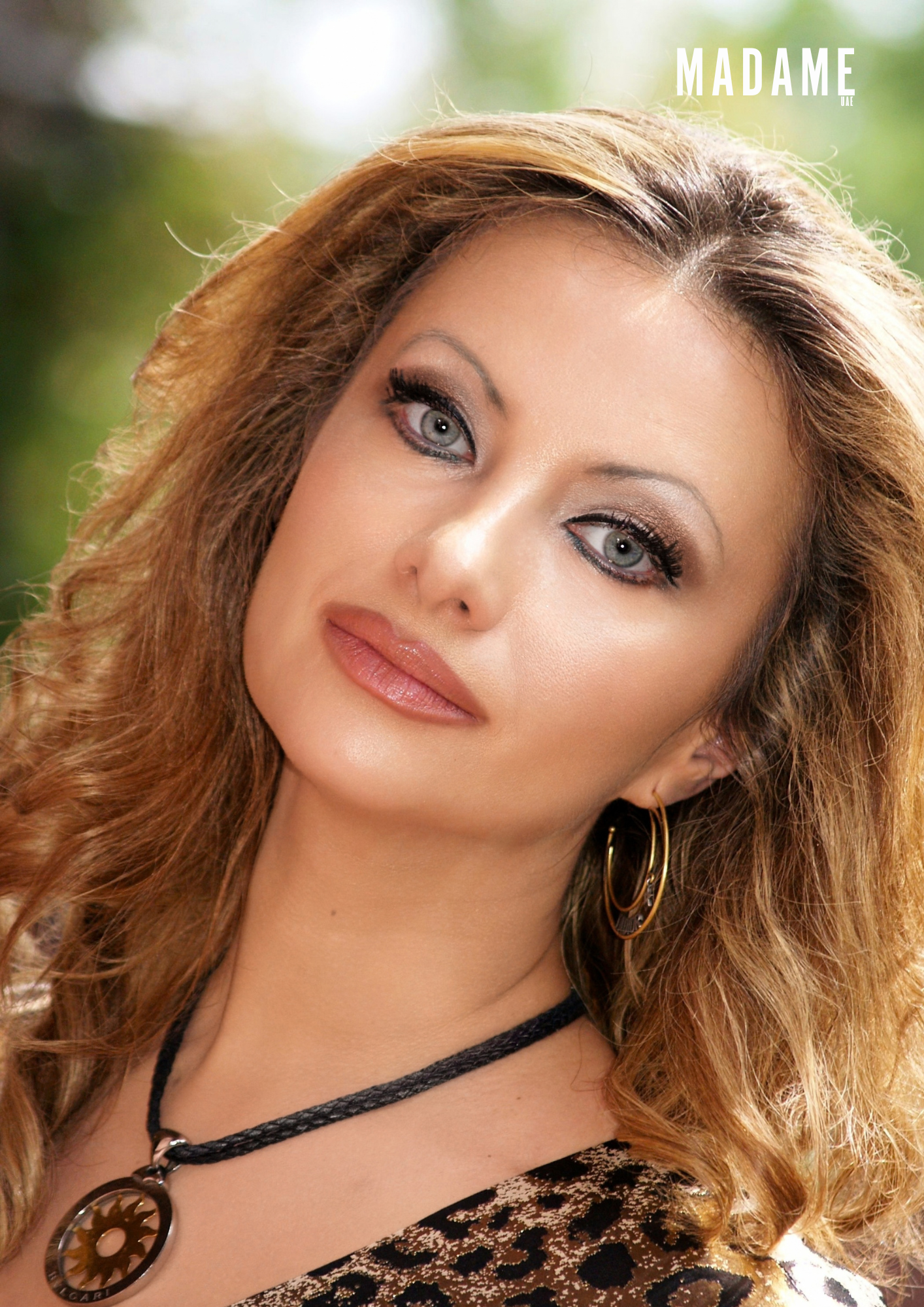
The title Liebestraum immediately evokes the Romantic world.
Yet Nuzman’s interpretation moves beyond historical recreation.
Her approach places classical piano ideas alongside contemporary songwriting and vocal performance, allowing the emotional qualities of the original tradition to communicate through a modern format.
The result created a distinctive crossover identity.
The title track surpassed four million views on YouTube and received the IMPALA Silver Award.
Its success demonstrated that audiences could still respond strongly to music rooted in classical traditions when those traditions were presented through a contemporary artistic voice.
The Singer Changes the Perspective
Nuzman’s development as a vocalist added another dimension to her relationship with classical music.
She had already established herself through piano, but after participating in a vocal competition and winning first prize in the Rock-Pop category, she began exploring a new expressive instrument.
Her four-octave range allowed her to approach contemporary material with considerable flexibility.
But the deeper significance was that her voice allowed her to reinterpret the emotional world she had learned through the piano.
A pianist can shape a phrase.
A singer can inhabit it.
That difference transformed the way Nuzman could communicate.
From Romantic Emotion to Contemporary Expression
Her debut album, I Believe In You, demonstrated that her musical interests extended well beyond classical repertoire.
The album entered the German Newcomer Charts and remained in the Top 10 for several weeks. Her interpretation of Whitesnake’s “Here I Go Again” also revealed her ability to move into rock and pop territory.
At first glance, this might seem far removed from Romantic classical music.
But the emotional connection is stronger than it appears.
Both traditions can be intensely expressive.
Both rely on dramatic contrast.
Both can build tension and release.
Both can turn personal emotion into performance.
Nuzman’s ability to move between them comes from recognizing those underlying similarities.
The Composer’s Contribution
Composition gives Nuzman another way to connect the past with the present.
Instead of simply interpreting the work of historical composers or contemporary songwriters, she can draw from both worlds while developing her own musical language.
Her classical education provides an understanding of harmony, structure and melodic development.
Her experience as a vocalist gives her sensitivity to phrasing and emotional delivery.
Her contemporary work gives her an awareness of how modern audiences experience music.
Together, these influences create a creative space where history and modernity can coexist.
My Piano And I
The release of My Piano And I in 2025 offered another reflection on that relationship.
The album includes celebrated songs, new compositions and English versions of some of her works.
The project brings the piano back into the center of her artistic story, but it does so after decades of experience as a performer and vocalist.
The instrument therefore sounds different in context.
The piano is no longer simply the instrument of a young classical student.
It belongs to an experienced artist who has explored rock, pop, songwriting and international performance.
The past remains present, but it has been transformed by everything that came afterward.
Keeping Classical Music Alive
There is an important difference between preserving a musical tradition and keeping it alive.
Preservation protects what already exists.
Renewal allows it to continue speaking.
Nuzman’s work belongs to the second category.
By drawing on classical and Romantic influences while creating contemporary music, she demonstrates that historical traditions can continue to evolve without losing their emotional identity.
That is particularly important for younger audiences.
A listener may discover a classical idea through a contemporary song. A familiar modern sound may lead them toward the piano repertoire that inspired it.
Music can therefore become a conversation between generations.
A Modern Artist With an Old Soul for Melody

Elena Nuzman’s relationship with Romantic music is not based on nostalgia.
It is based on recognition.
She recognizes that emotions expressed centuries ago remain relevant today. Love, uncertainty, longing, hope and passion do not belong to one era.
They belong to people.
Her ability to translate those emotions into a contemporary voice is one of the most distinctive aspects of her work.
The classical pianist, the vocalist and the composer are all participating in the same conversation.
And at the center is melody.
For Nuzman, the past is not a place to remain.
It is a source from which something new can grow.